


Occupational Health and Safety Policy
At Afritec Steel Fabricators, safety is not just a regulatory requirement; it is a core value embedded in every aspect of our operations. We believe that all work-related injuries and illnesses are preventable. Our primary goal across all manufacturing facilities and project sites is Zero Harm—ensuring every employee, contractor, and visitor returns home safely at the end of every day.
1. Our Commitment
Afritec Steel Fabricators is committed to providing and maintaining a safe, healthy, and compliant working environment. We actively comply with international standard frameworks and local statutory regulations, including Kenya’s Occupational Safety and Health Act (OSHA, 2007), and equivalent regional legislation across our East and Central African operations.
2. Core Safety Principles
-
Leadership Accountability: Management at all levels is responsible for providing the resources, training, and supervision necessary to maintain a hazard-free workplace.
-
Shared Responsibility: Safety is everyone’s job. Every team member is expected to take ownership of their safety and look out for the well-being of their colleagues.
-
Right to Refuse Unsafe Work: Every employee and contractor has the explicit authority and absolute duty to stop work if they believe conditions or practices are unsafe.
3. Operational Safety Protocols
To minimize risks inherent in steel fabrication and structural engineering, we strictly enforce the following protocols:
-
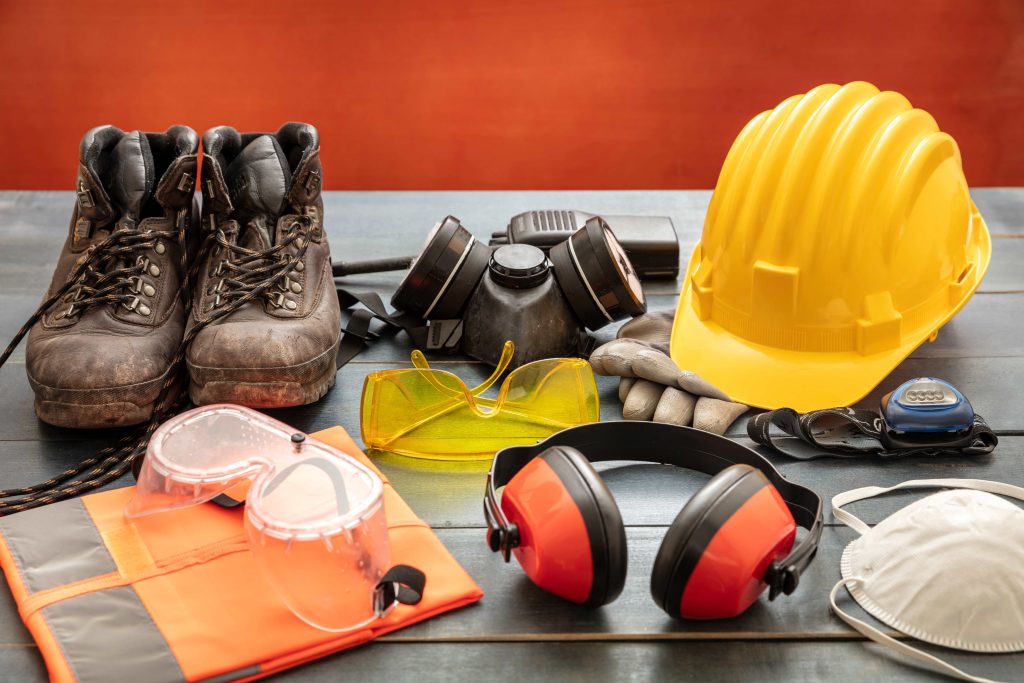
Personal Protective Equipment (PPE): Mandatory use of high-standard PPE (including steel-toed boots, welding shields, high-visibility clothing, safety harnesses, and respiratory protection) is strictly enforced in all designated zones.
-
Equipment and Machinery Guarding: All fabrication machinery, including CNC plasma cutters, hydraulic presses, and welding stations, are regularly inspected, maintained, and fitted with functional safety guards.
-
Safe Lifting and Rigging: Moving heavy structural steel columns, beams, and plates requires adherence to strict weight limits, proper crane signaling, and routine inspection of all rigging hardware.
-
Hot Work Controls: Stringent fire prevention controls and specialized ventilation systems are utilized during welding, cutting, and grinding operations to manage toxic fumes and fire hazards.
4. Hazard Identification and Risk Assessment
We maintain a proactive safety culture through continuous monitoring:
-
Job Safety Analyses (JSA): Conducted prior to commencing any high-risk tasks or on-site installations.
-
Routine Safety Audits: Frequent inspections of workshops and construction sites to identify, isolate, and eliminate potential hazards.
-
Incident Reporting: Mandatory reporting and thorough investigation of all near-misses and incidents to find root causes and prevent recurrence.
5. Training and Competency
We invest heavily in the continuous development of our team’s safety skills. No individual is permitted to operate heavy machinery or perform specialized tasks (such as working at heights or handling hazardous materials) without verified training and certification.
6. Continuous Improvement
We regularly review our Health and Safety performance indicators, update our procedures to match advancing industry standards, and continuously educate our workforce to foster a culture of vigilance and care.


