

Insights
Iron Sheets vs. Alternative Roofing: A Cost-Benefit Analysis

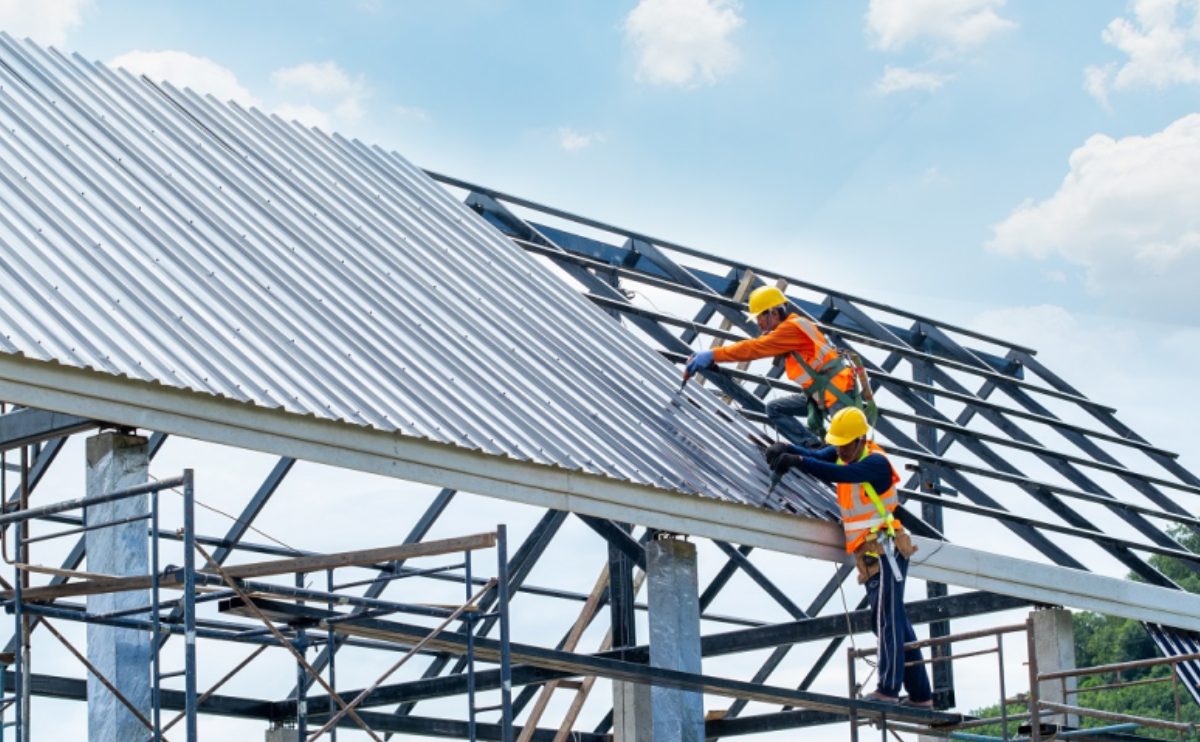
When planning a construction project in East Africa, the roof is one of the most critical decisions you will make. It isn’t just about shelter; it is about long-term value, structural weight, and thermal comfort. Whileiron sheetsremain the dominant choice for both residential and industrial projects, several alternatives have gained popularity.
AtAfritec Steel Fabricators, we help clients evaluate these options to ensure their choice aligns with their budget and the structural integrity of their building. Here is a detailed cost-benefit analysis.
1. Iron Sheets (Corrugated or Box Profile Steel)
Steel roofing remains the benchmark for regional construction due to its versatility and price-to-performance ratio.
- Pros:
- Cost-Effective:Low initial purchase price and minimal labor costs for installation.
- Durability:High-quality gauge steel is resistant to fire, wind, and impact.
- Low Weight:Being lightweight, they require less heavy timber or steel framing, saving you money on the overall structure.
- Water Harvesting:Their smooth surface is ideal for collecting clean rainwater.
- Cons:
- Noise:Can be loud during heavy rain if not properly insulated.
- Heat:Steel conducts heat, which can make interiors warm without a ceiling or proper ventilation.
2. Concrete Roof Tiles
Commonly seen in high-end residential estates, concrete tiles offer a classic aesthetic.
- Pros:
- Aesthetics:Provides a premium, traditional look that can increase property value.
- Longevity:Can last over 50 years with minimal maintenance.
- Insulation:Offers excellent sound dampening and thermal insulation.
- Cons:
- High Cost:Significantly more expensive than iron sheets, both in material and labor.
- Structural Demand:Tiles are incredibly heavy. You will need to spend much more on a reinforced timber or steel roof carcass to support the weight.
3. Decra (Stone-Coated Steel)
Decra combines the strength of steel with the appearance of traditional tiles.
- Pros:
- Durability:Features multiple layers of protective coating and stone chips, making it nearly immune to rust.
- Style:Mimics the look of tiles or shingles without the excessive weight.
- Quiet:The stone coating significantly reduces noise during rainfall.
- Cons:
- Premium Pricing:One of the most expensive options on the market.
- Complexity:Requires specialized installers to ensure the interlocking system is watertight.
4. Asbestos and Clay (The Alternatives)
While clay is a sustainable, beautiful option, its brittleness and weight often make it less practical than modern steel. Asbestos, once common, is now strictly avoided due to health risks and environmental regulations.
The Verdict: Which Should You Choose?
| Factor | Iron Sheets | Concrete Tiles | Stone-Coated Steel |
| Upfront Cost | Lowest | Moderate/High | High |
| Structural Load | Very Light | Very Heavy | Light |
| Installation Speed | Fast | Slow | Moderate |
| Lifespan | 20–30 Years | 50+ Years | 40–50 Years |


