


Understanding Steel Fabrication Costs: How to Budget for Your Project

For developers and project managers across the region, budgeting for steel is one of the most critical phases of any construction project. Whether you are sourcing iron sheets for a warehouse or structural steel for a multi-story building, understanding the variables that influence the final quote can help you avoid unexpected expenses.
At Afritec Steel Fabricators, we prioritize transparency to help our clients plan with confidence. Here is a breakdown of the key factors that drive steel fabrication costs.
1. Raw Material Prices
The most significant portion of your budget is the cost of the steel itself.
- Global Market Fluctuations: Steel is a global commodity, and prices can shift based on international supply and demand.
- Material Specification: The type of steel—whether it is mild steel, stainless steel, or high-tensile structural steel like D16 bars—carries different price points based on its properties and weight.
2. Design and Engineering Complexity
Before a single beam is cut, technical blueprints must be finalized.
- Technical Accuracy: Complex architectural visions require more hours of expert design to ensure structural integrity and safety.
- Blueprint Details: Highly detailed blueprints reduce the risk of on-site errors but require a higher initial investment in the engineering phase.
3. Fabrication Labor and Equipment
The process of transforming raw steel into finished components involves specialized skills and machinery.
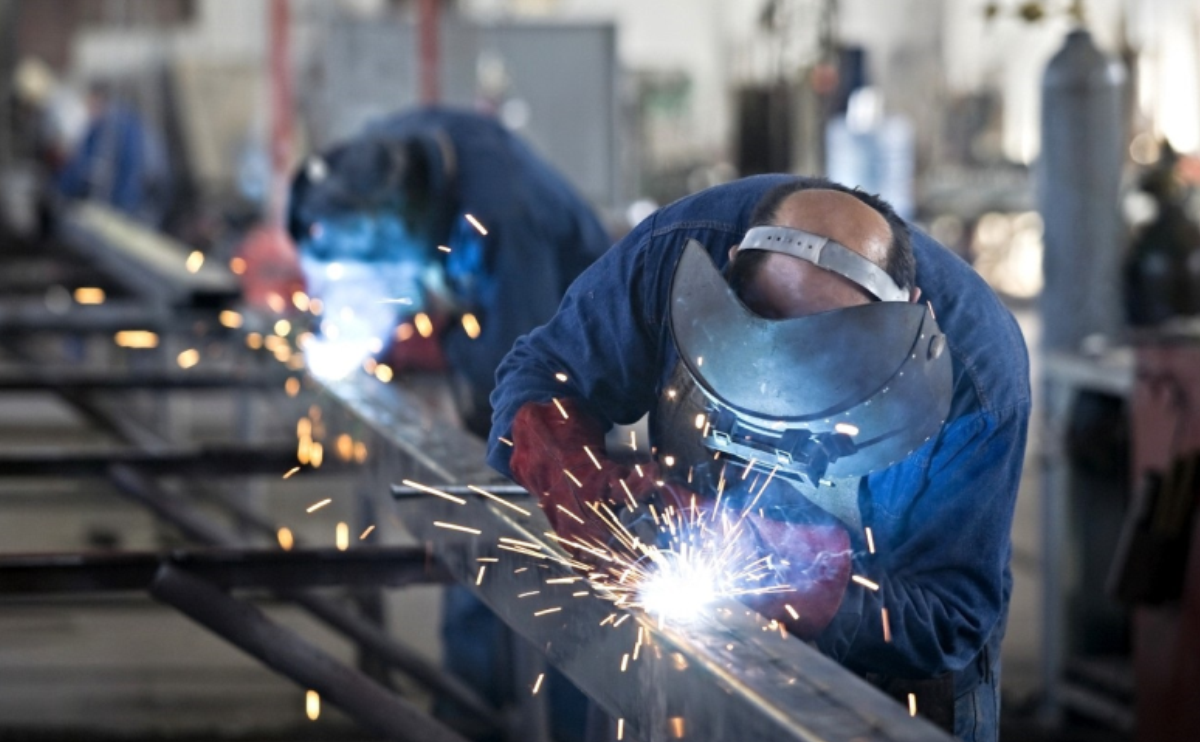
- Precision Cutting and Welding: Advanced techniques like plasma or laser cutting and structural welding require high-precision equipment and certified operators.
- Customization: Standardized beams are more cost-effective than custom-fabricated components that require unique jigs and specialized labor.
4. Finishing and Protective Coatings
To ensure the longevity of your structure in humid or coastal environments, protective finishes are essential.
- Galvanization vs. Painting: Hot-dip galvanization provides superior rust protection but comes at a higher price compared to standard industrial primers and topcoats.
- Application Complexity: Large or intricate structures may require more time and material for proper coating coverage.
5. Logistics and Regional Delivery
Transporting heavy steel components across East Africa—from Nairobi to sites in Uganda, Tanzania, or beyond—adds to the total cost.
- Distance and Accessibility: Remote sites may incur higher delivery fees due to fuel costs and road conditions.
- Cross-Border Logistics: Regional reach requires an understanding of import/export regulations and logistical efficiency to keep transport costs manageable.
6. On-Site Assembly and Installation
The final phase involves getting the steel into place and securing it.
- Equipment Needs: Projects requiring cranes or heavy lifting machinery will have higher installation costs.
- Installation Speed: Choosing a fabricator with expertise in fast, secure on-site assembly can save you money on overall labor and project timelines.
Summary Tip: To get the most accurate budget, involve your fabricator early in the design phase. This allows for “value engineering,” where we can suggest cost-saving alternatives in materials or design without compromising the safety or quality of your structure.


