

Insights
How to Prevent Rust: Protecting Structural Steel in Diverse Environments

Structural steel is the backbone of modern industrial, commercial, and residential construction in Kenya. From large-scale warehouses and godowns in Nairobi to elevated water tank towers and agricultural storage units, steel offers unmatched strength, load-bearing capacity, and design flexibility.
However, steel’s greatest vulnerability is corrosion. Left unprotected, moisture and oxygen trigger electrochemical reactions that degrade metal, compromising structural integrity and leading to costly repairs. Implementing proactive rust prevention strategies is essential to ensuring maximum longevity and safety for any steel fabrication project.
Understanding the Root Cause of Steel Corrosion
Rust occurs when iron in steel reacts with oxygen and moisture. The rate of corrosion accelerates significantly in environments with high humidity, rainfall, airborne salt (near coastal regions like Mombasa), or exposure to aggressive industrial chemicals. Because Kenya features diverse microclimates—ranging from humid coastal belts to high-rainfall agricultural highlands—customizing rust prevention measures to suit specific site conditions is critical.
Key Rust Prevention Strategies for Structural Steel
Surface Preparation and Sandblasting
Proper coating adhesion depends entirely on surface cleanliness. Before any protective layer is applied, steel must undergo abrasive blast cleaning to remove mill scale, existing rust, oil, and dust, creating an optimal anchor profile for paints and primers.
Application of Primer Coats
The first line of defense is a high-performance primer, such as zinc-rich epoxy or zinc chromate primers. These create a chemical bond with the steel and provide sacrificial cathodic protection, preventing oxidation even if the outer coating is scratched.
Bituminous Paint for Moisture Sealing
For steel structures exposed to severe moisture, soil contact, or underground elements, heavy-duty bituminous paint forms an impenetrable, waterproof membrane that seals out water and chemical vapors.
Aluminum and Enamel Topcoats
Finish coats provide ultraviolet (UV) protection and aesthetic appeal. Aluminum paint is particularly effective for outdoor metal structures due to its ability to reflect solar radiation, reduce surface heat absorption, and resist moisture penetration.
Hot-Dip Galvanizing
For ultimate long-term protection, components are immersed in molten zinc. This process creates a metallurgical bond that shields the steel even if the surface experiences minor impacts or abrasions.
Routine Maintenance and Inspection Protocol
Prevention does not end at installation. Routine inspections catch early signs of wear before structural damage occurs:
Scheduled Visual Checks
Inspect joints, welds, and bolt connections annually for signs of bubbling, discoloration, or flaking paint.
Immediate Touch-Ups
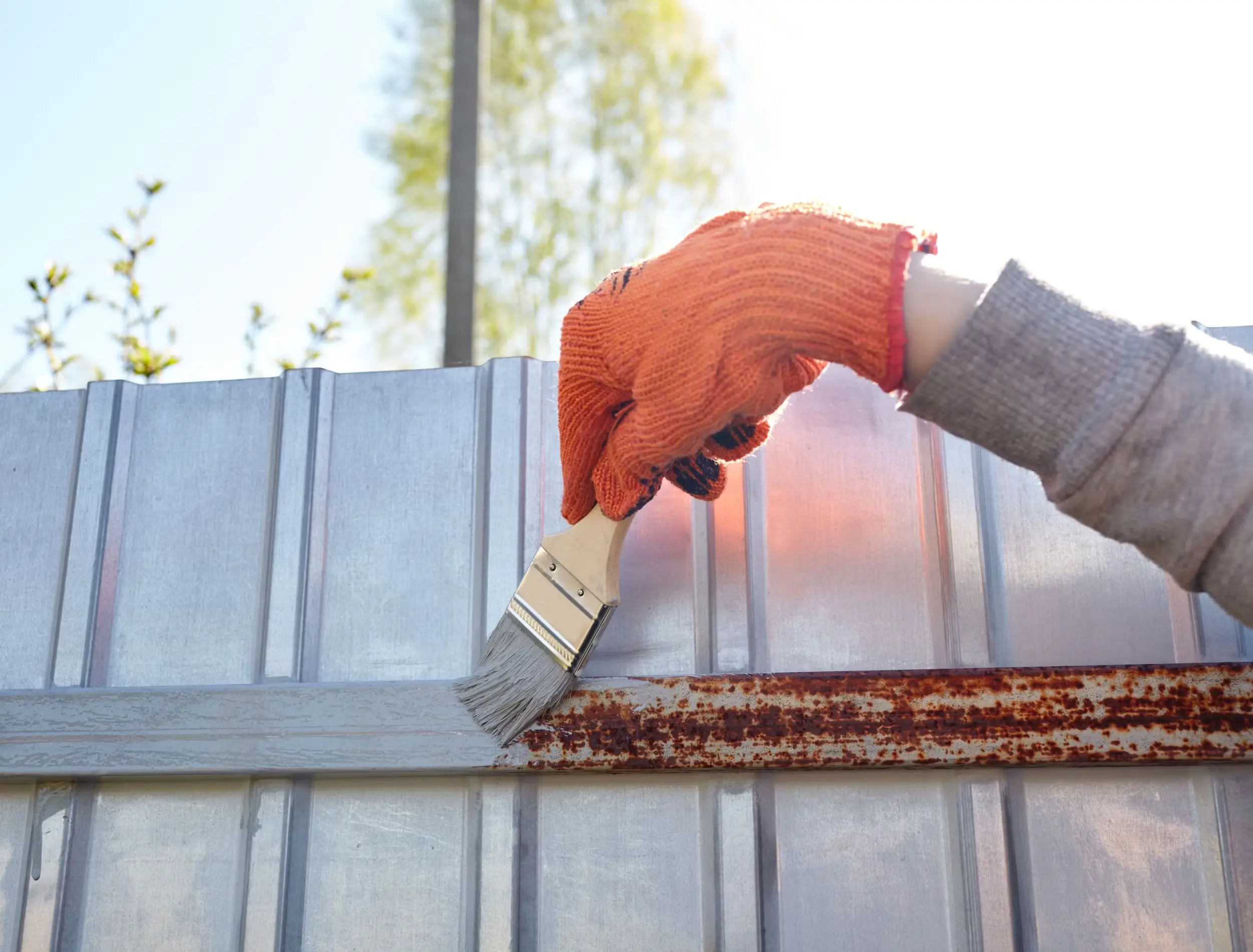
Address localized scratches or abrasions immediately by wire-brushing the affected spot, applying a rust-inhibitive primer, and recoating with a matching topcoat.
Drainage Management
Ensure that rainwater and condensation drain properly away from steel bases, tank stands, and foundation joints to prevent prolonged water pooling.
Expert Steel Protection with Afritec Steel Fabricators
Protecting your investment requires industrial-grade materials and professional application techniques. At Afritec Steel Fabricators, we engineer robust structural steel solutions and apply rigorous surface treatments designed to withstand Kenya’s harshest environmental conditions.
Protect your structural assets from the ground up. Contact Afritec Steel Fabricators today for expert consultation on custom steel fabrication, protective coatings, and industrial maintenance solutions.


