

Insights
Cross-Border Logistics for Structural Steel: Navigating Freight, Customs, & On-Site Erection in East Africa

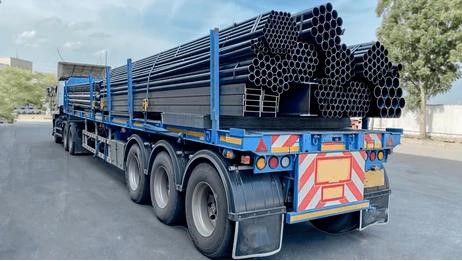
The East African Community (EAC) and neighboring regions are undergoing an unprecedented industrial expansion. From high-capacity warehouses and steel godowns, prefabricated structures, and multi-storey commercial developments to massive elevated water storage projects, structural steel is driving modern infrastructure across Kenya, Uganda, Tanzania, Rwanda, Burundi, South Sudan and the Democratic Republic of Congo (DRC).
However, manufacturing high-precision structural steel is only half the equation. Delivering heavy-duty roof trusses, wide-flange columns, and high-capacity steel tanks across international borders presents a complex logistical challenge. Moving oversized fabricated components over long transit corridors requires strategic supply chain management, regional regulatory compliance, and specialized handling.
Here is a comprehensive guide to navigating cross-border logistics for structural steel in East Africa and ensuring your project stays on schedule and within budget.
1. Navigating Regional Trade Agreements & Duty Clearance
Exporting and importing heavy structural steel across borders requires a firm understanding of regional trade corridors and customs frameworks.
- Leveraging the EAC Single Customs Territory (SCT): Under the Single Customs Territory mechanism, goods destined for partner states (such as Uganda, Rwanda, or South Sudan) undergo customs assessment and clearance at the first point of entry or origin (e.g., Nairobi or Mombasa). This seamless process minimizes delays at inland border posts like Malaba, Busia, or Gatuna.
- Rules of Origin & Certificates of Origin: To qualify for preferential tariff treatment and duty exemption under EAC guidelines, structural steel components must be accompanied by an official EAC Certificate of Origin confirming local fabrication.
- Managing Non-EAC & Transit Borders (e.g., DR Congo): Transporting fabricated steel into non-EAC regions or through transit corridors requires securing regional transit bonds, bilateral trade documentation, and specialized clearing agent coordination to ensure smooth border crossings.
2. Axle Load Limits, Fleet Selection, & Oversized Cargo Permits
Overland freight in East Africa is governed by strict regional transport regulations designed to protect highway infrastructure.
- Managing Axle Load Compliance: The East African Community Vehicle Load Control Act enforces strict axle and gross vehicle weight limits at weighbridges along major transport corridors (such as the Northern and Central Corridors). Exceeding these thresholds leads to heavy fines, impoundment, and costly project delays.
- Selecting the Right Freight Fleet: Standard flatbeds are sufficient for straight beams, light gauge steel frames, or dismantled tank panels. However, heavy structural columns, pre-assembled trusses, or large-diameter tank support bases require specialized low-loader trailers or extendable flatbeds.
- Securing Wide-Load Transit Permits: When freight dimensions exceed standard lane widths or clearance heights, contractors must secure official wide-load permits, schedule police escorts, and plan route timing to avoid peak traffic hours in urban transit hubs.
3. Corrosion Prevention & Transit Protection
East Africa’s diverse climate—ranging from coastal humidity along the Indian Ocean to heavy tropical downpours inland—poses a risk to unshielded structural steel during multi-day overland transit.
- Protective Coatings & Surface Treatments: Factory-applied treatments, including high-grade primers, hot-dip galvanization, or specialized epoxy paint systems, shield steel components against moisture and road salt spray during transit.
- Securing Loads & Preventing Abrasion: Heavy steel-on-steel friction during long transit trips over rough roads can wear away protective coatings. Fabricators must use proper wooden dunnage, heavy-duty rubber spacers, and rated tie-down straps rather than bare chains.
- Weatherproofing: Open flatbed shipments should be capped with reinforced weather-resistant tarpaulins to prevent standing water accumulation on flat steel plates or within hollow structural sections (HSS).
4. On-Site Delivery, Crane Offloading, & Erection Staging
Cross-border freight delivery must align seamlessly with on-site assembly and erection teams to avoid job site bottlenecks.
- Just-In-Time (JIT) Staging: Delivering all structural components at once to a tight construction site creates dangerous congestion and risks component damage. Stagewise delivery—shipping primary columns first, followed by rafter beams and bracing—ensures steel moves directly from the truck bed to erection without double handling.
- Site Accessibility & Ground Conditions: Before transport fleets arrive on-site, project managers must verify off-road access, turning radiuses, overhead cable clearances, and ground stability for heavy mobile cranes and flatbeds.
Partner with an Integrated Regional Fabricator
The most effective way to eliminate cross-border friction is to work with an end-to-end engineering and manufacturing partner that understands the regional terrain.
At Afritec Steel Fabricators, we combine technical design, precision manufacturing, and complete cross-border delivery across Kenya, Uganda, Tanzania, Rwanda, and DR Congo. By managing your project from initial CAD blueprints to on-site assembly, we ensure your structural steel arrives on schedule, fully compliant, and built to last.
Planning an industrial or commercial development in East Africa?
Contact our engineering team today at +254 787 377446 or email info@afritecsteelfabricators.co.ke to request a customized fabrication and logistics proposal for your site.


