

Insights
Solar Panel Mounting Structures

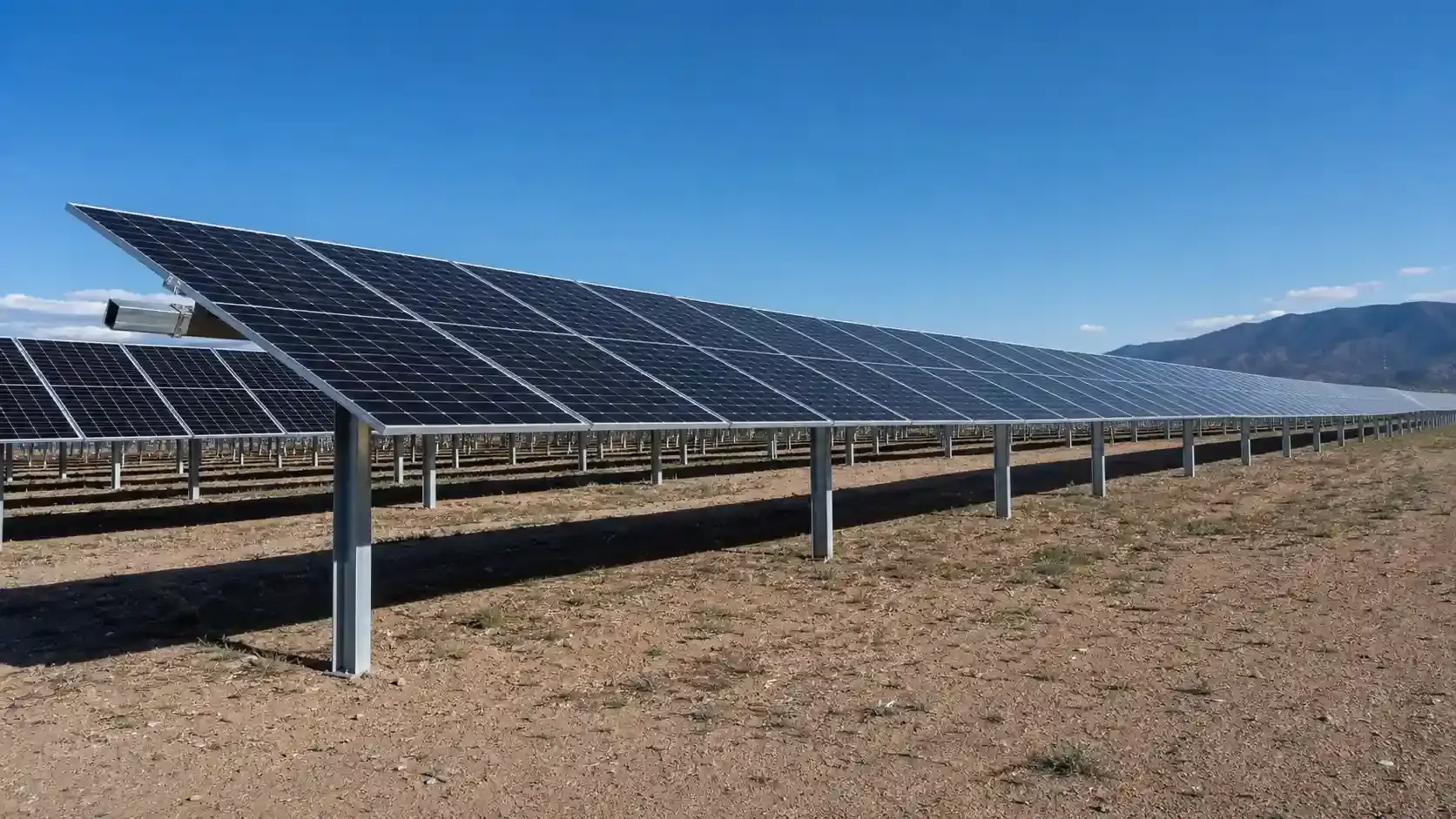
High-Performance Solar Panel Mounting Structures by Afritec Steel Fabricators
As the adoption of renewable energy scales up across East Africa, commercial businesses, agricultural enterprises, and independent power producers are heavily investing in photovoltaic (PV) systems (Solar modules). While high-efficiency solar panels and inverters often steal the spotlight, the integrity of the entire energy system relies entirely on its foundation.
At Afritec Steel Fabricators, we engineer precision-crafted solar mounting structures designed to secure, align, and protect solar arrays against the most demanding environmental conditions.
Why Specialized Solar Panel Mounting Matters
Solar assets are designed to operate efficiently for 25 years or more. However, low-quality or poorly engineered mounting frames can compromise your entire investment through wind uplift, structural flexing, rust, and panel micro-cracking.
Our heavy-duty steel mounting systems provide the rigid, load-bearing backbone required to keep solar arrays locked at optimal tilt angles, maximizing daily energy harvest while guaranteeing long-term structural safety.
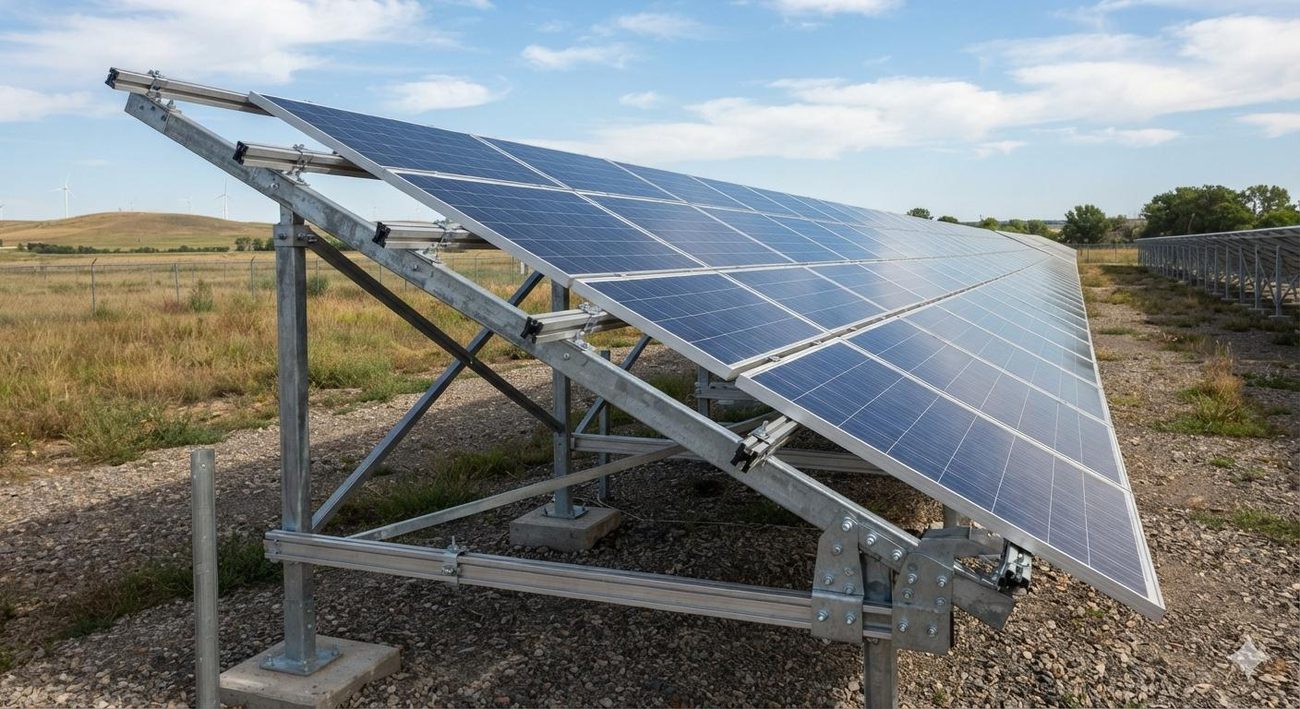
Core Types of Solar Mounting Systems We Engineer
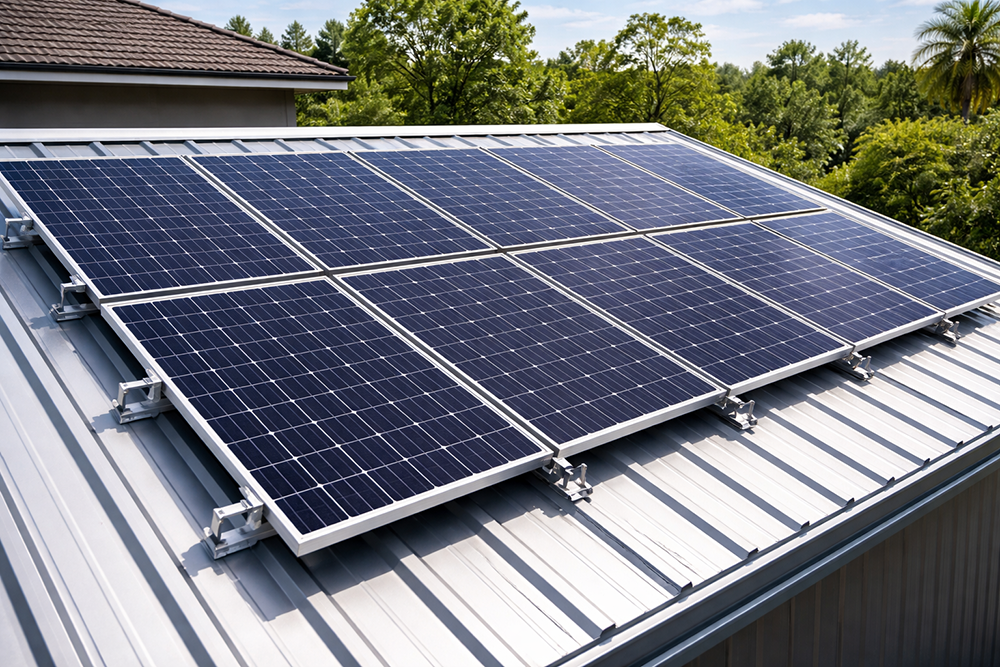
- Rooftop Mounting Frameworks: Custom-designed sub-frames built to distribute weight safely across industrial godowns, warehouse roofs, and commercial facilities without damaging waterproofing membranes.
- Ground-Mounted Solar Structures: Sturdy, deep-anchored steel frameworks optimized for utility-scale solar farms, large agricultural processing plants, and expansive irrigation networks.
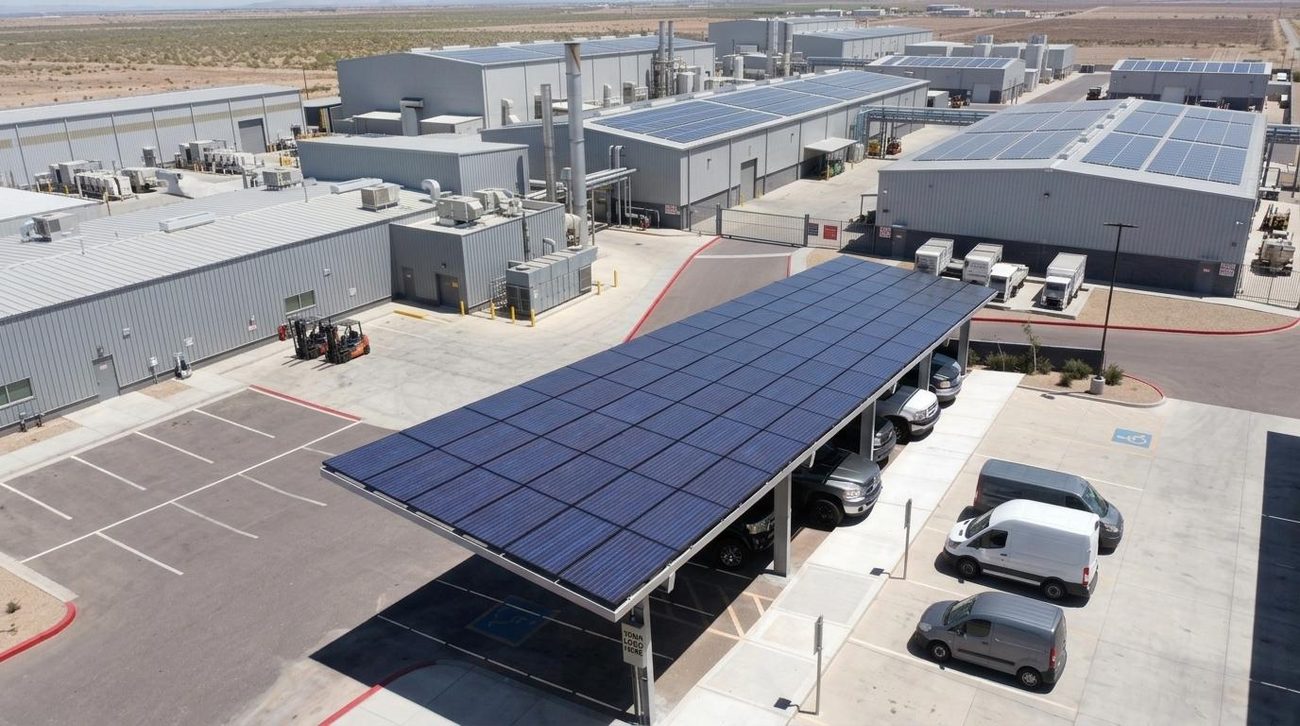
- Solar Carports & Shaded Canopies: Dual-purpose structural steel solutions that convert open parking lots and institution yards into clean-energy-generating spaces.
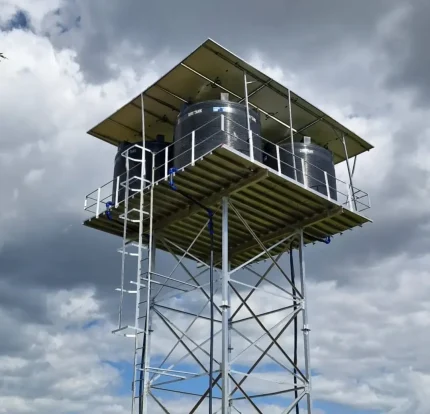
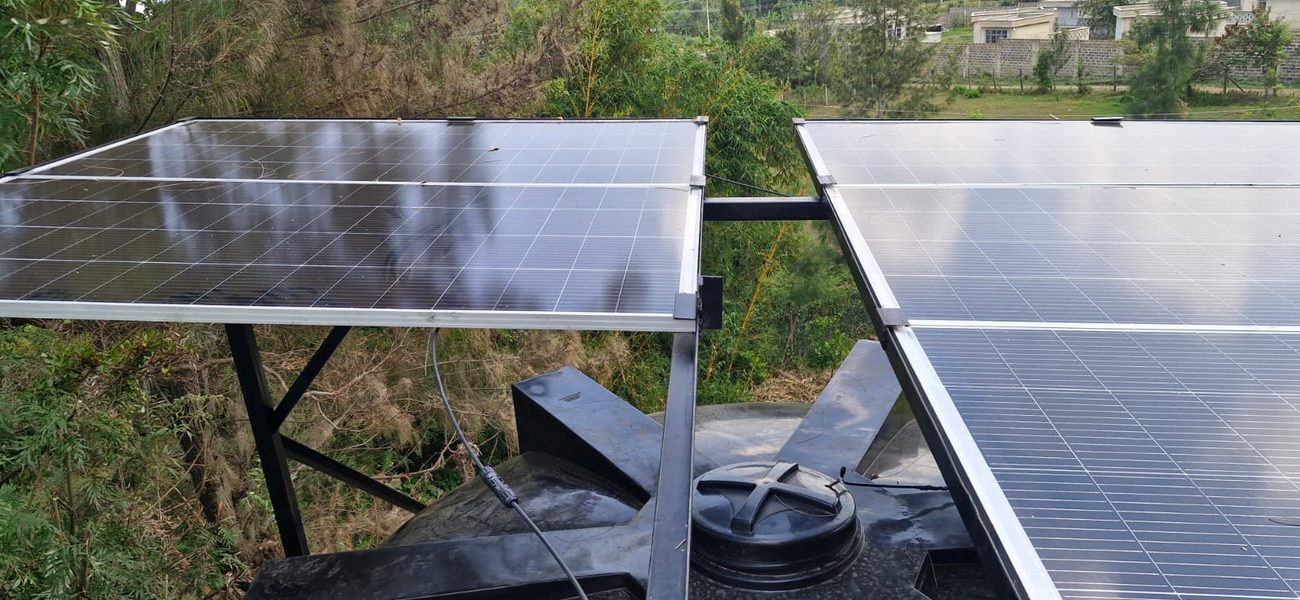
- Elevated Mounting Towers: Specialized high-clearance structures built on elevated steel tank towers and steel tanks to avoid ground-level shading or accommodate specialized tracking mechanisms.
Key Advantages of Afritec’s Solar Mounting Structures
1. Superior Structural Rigidity
Our solar panel steel stands are fabricated from certified structural steel grades (including S275 and S355), our mounting frames withstand aggressive wind loads, heavy downpours, and physical stress, eliminating the structural vibrations that damage sensitive photovoltaic cells.
2. Advanced Corrosion Resistance
To combat humid tropical climates and corrosive atmospheric conditions, all Afritec steel components undergo rigorous anti-corrosion treatments. Options include premium protective primer paint systems, advanced bituminous paints and hot-dip galvanizing, ensuring complete rust prevention over decades of outdoor exposure.
3. Precision Engineering & Custom Fit
Every site presents unique orientation, tilt angle, and terrain challenges. Using advanced fabrication workflows, we custom-engineer mounting structures to match exact roof profiles, purlin spacings, and panel layouts for rapid, seamless on-site bolt-together installation.
4. Scalable and Integrated Solutions
Our mounting structures integrate effortlessly with wider industrial infrastructure. Whether you are powering remote borehole pumps, running automated drip irrigation systems, or securing energy for an entire industrial warehouse, our frames provide a reliable structural foundation.
What Materials do we use in Fabrication of Solar Mounting Structures
When designing and fabricating support systems for photovoltaic (PV) solar installations, selecting the right material is vital to ensuring a 25-year structural lifespan. The framework must endure continuous environmental stress, including high wind loads, thermal expansion, and moisture.
The primary materials used for high-performance solar support structures in Kenya include:
1. Galvanized Steel (Carbon Steel)
Steel is the industry workhorse for large-scale, heavy-duty applications due to its exceptional tensile strength and rigidity.
- Grades & Types: Typically fabricated using structural carbon steel grades (such as S275, S355, or international equivalents like Q235 and Q345).
- Corrosion Protection: Because raw steel is susceptible to rust, it undergoes mandatory protective treatments—most notably Hot-Dip Galvanizing (HDG) or specialized powder coating—to shield the metal from moisture and humidity.
- Primary Uses: Large ground-mounted solar farms, utility-scale infrastructure, industrial rooftop mounts, and solar carports where high structural spans and heavy load capacity are required.
2. Aluminum Alloys
Aluminum is prized for its balance of light weight and natural corrosion resistance, making it a favorite for architectural and rooftop integration.
- Grades & Types: Commonly extruded using marine-grade aluminum alloys (such as AL6005-T5), which provide an optimal strength-to-weight ratio.
- Corrosion Protection: Aluminum naturally forms a microscopic protective oxide layer that resists rust. It can also be anodized or powder-coated for enhanced visual appeal and durability.
- Primary Uses: Residential and commercial rooftop installations (where roof weight limits are strict), mid-sized ground mounts, rails, mid/end clamps, and solar panel frames.
3. Stainless Steel
Used primarily for components that require maximum resistance to chemical breakdown or extreme weather exposure.
- Primary Uses: Fasteners, bolts, nuts, washers, and specialized roof hooks that bind the mounting rails to the primary steel or aluminum structure. Stainless steel ensures that joint connections do not rust or loosen over time.
4. Fiber-Reinforced Polymer (FRP) Composites
An emerging alternative used in highly specialized environments.
- Properties: FRP is extremely lightweight, non-conductive (reducing electrical grounding risks), and completely immune to electrochemical or atmospheric corrosion.
- Primary Uses: Niche industrial or highly corrosive environments where traditional metals degrade rapidly, though it carries a higher upfront cost.
Critical Design Considerations for Solar Mounting Structures Afritec Steel
Designing a reliable, long-lasting solar mounting structure requires much more than simply bolting panels together. Because photovoltaic (PV) systems are engineered to operate outdoors for 25 years or more, their supporting frameworks must be carefully engineered to withstand immense environmental and physical stresses.
When engineering or selecting a solar mounting structure, several core design considerations must be addressed:
1. Wind Load and Uplift Dynamics
Wind is often the single most destructive force acting on a solar array. As wind flows over panels, it creates a negative pressure (aerodynamic uplift) that attempts to lift the panels and their frames straight off the roof or ground.
- Engineering Focus: Structures must be engineered to withstand local wind speed velocities and gust thresholds. Ballast requirements (for flat roofs) or anchor/foundation depths (for ground mounts) must be precisely calculated to resist overturning and pull-out forces.
2. Dead Load and Structural Weight
The combined weight of the solar panels, inverters, cabling, and the mounting system itself exerts a constant downward force (dead load) on the underlying building roof or ground foundation.
- Engineering Focus: For rooftop installations, engineers must verify that the building’s structural roof purlins and concrete slabs can safely bear the additional weight without sagging or structural failure.
3. Environmental and Corrosion Resistance
Solar mounts are constantly exposed to moisture, humidity, industrial pollutants, or salt-laden air (in coastal regions). Without adequate protection, metals will oxidize and structurally degrade.
- Engineering Focus: Selecting the right protective treatment is vital. This includes specifying hot-dip galvanized (HDG) carbon steel, marine-grade aluminum, or stainless steel fasteners to prevent galvanic corrosion (which occurs when dissimilar metals touch in the presence of moisture).
4. Thermal Expansion and Contraction
Materials expand when heated and contract when cooled. Over daily and seasonal temperature cycles, long runs of mounting rails will shift and experience thermal stress.
- Engineering Focus: The design must incorporate expansion joints, sliding thermal gaps, and properly torqued hardware to prevent buckling, warping, or undue stress on the glass frames of the solar modules.
5. Tilt Angle and Orientation
To maximize daily and annual energy yield, solar panels must be tilted at an optimal angle facing the correct cardinal direction (facing Equator-ward, depending on the hemisphere).
- Engineering Focus: The mounting structure must hold this precise angle securely, factoring in latitude, local topography, and the need to prevent dust or debris accumulation (e.g., maintaining a minimum tilt angle to allow rainwater self-cleaning).
Are you currently working out the engineering specifications for an upcoming commercial rooftop or ground-mounted solar project?
Partner with Afritec Steel Fabricators
Do not leave your renewable energy investment to chance. Build on a foundation of proven engineering excellence and heavy-duty durability.
Ready to anchor your next commercial or utility-scale solar project? Contact Afritec Steel Fabricators today to consult with our technical team and request custom-engineered solar mounting solutions tailored to your exact specifications.


